Osteopathy
Why Your Back Pain Keeps Coming Back
5 min read
Dr. Gus MacAnally
Acupuncturist
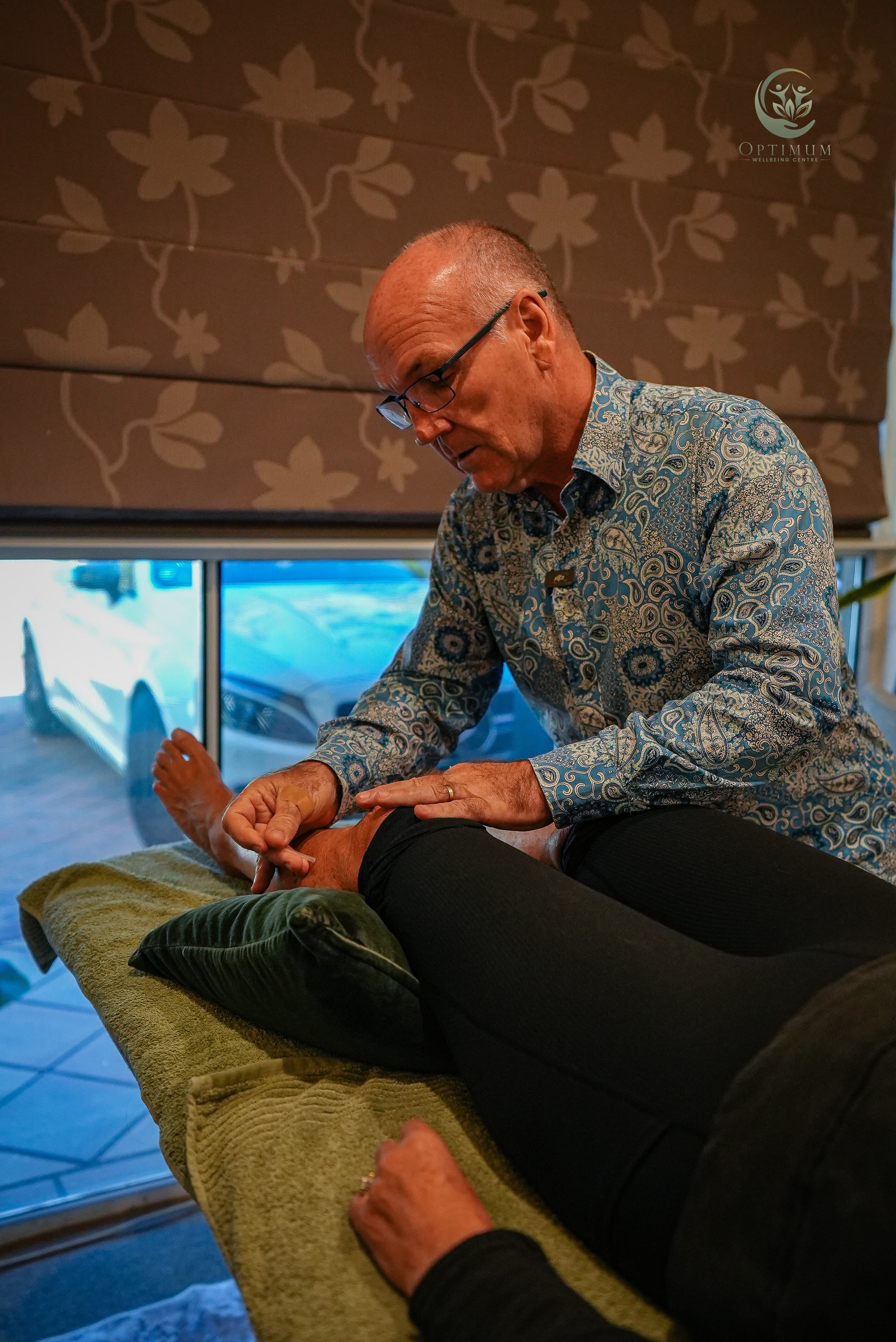
Acupuncture has been practised for over two thousand years. In recent decades, it has also become the subject of serious clinical research. So what does the evidence actually show?
The body of clinical evidence for acupuncture has grown significantly over the past twenty years. Systematic reviews and randomised controlled trials have examined acupuncture across a wide range of conditions. The results are nuanced — as they are with most treatments.
The strongest clinical evidence for acupuncture currently exists in the following areas:
A 2018 meta-analysis of individual participant data from high-quality trials — published in the Journal of Pain — found acupuncture to be effective for chronic back, neck, shoulder, and osteoarthritis pain, with effects persisting well beyond the treatment period.
Multiple Cochrane reviews have found acupuncture to be at least as effective as prophylactic drug treatment for chronic headache and migraine, with fewer adverse effects.
Acupuncture at the P6 point is well-supported by clinical evidence for reducing nausea and vomiting associated with chemotherapy — and is now included in some oncology clinical guidelines internationally.
Research is ongoing — and showing positive outcomes — in areas including anxiety and stress, sleep quality, menstrual pain and hormonal health, and IBS and digestive complaints. Study quality and methodological consistency vary, which means the evidence base is still building.
This does not mean acupuncture does not help in these areas. It means the research has not yet reached the same level of certainty as it has for chronic pain.
Acupuncture is notoriously difficult to study using standard double-blind RCT methodology. You cannot give someone a convincing placebo needle in the same way you can give a placebo pill — which has led to ongoing methodological debate.
What most researchers now acknowledge is that both the specific effects of needling and the broader therapeutic context of an acupuncture consultation contribute to outcomes. This is true of many treatments, including surgery.
AHPRA registration requires completion of an accredited acupuncture degree — not a short course. All acupuncturists at Optimum Wellbeing Centre are fully AHPRA-registered practitioners.
If you are considering acupuncture, a good practitioner will be upfront about what the evidence shows for your specific condition. They will not make absolute claims. They will explain what the treatment aims to do and what outcomes are realistic — so you can make an informed decision.
At Optimum Wellbeing Centre, our AHPRA-registered acupuncturists practise with evidence-based clinical frameworks. Acupuncture may assist with a range of conditions. We will tell you honestly what the research supports — and what it does not.
No referral needed. Book online and choose your service and practitioner.
✦Book an Appointment✦